Thousands apply. You still hire in days.
Reena is built for intakes where thousands apply and speed still matters: AI CV screening reads and ranks every application within minutes of arrival, AI interviews and self-booked scheduling run fair rounds at any volume, and bulk actions with automation clear the admin in between. Misk Foundation runs 10,000+ applicants per cycle in 2–3 weeks; CNTXT AI cut time-to-hire from around two weeks to 3–6 days.
When thousands apply, what has to give?
The usual answer is: something. Either the pile gets a fast, shallow read and consistency slips, or it gets a careful read and weeks disappear.
Speed and fairness are not a trade-off at volume: they are both a system problem. While your pipeline waits, the strongest candidates accept the offer that moved first, and the admin breaks alongside them: every stage move, status update and rejection note multiplies by the size of the intake.
Five capabilities, one intake.
The mechanics behind hiring in days instead of weeks, whether ten people apply or ten thousand.
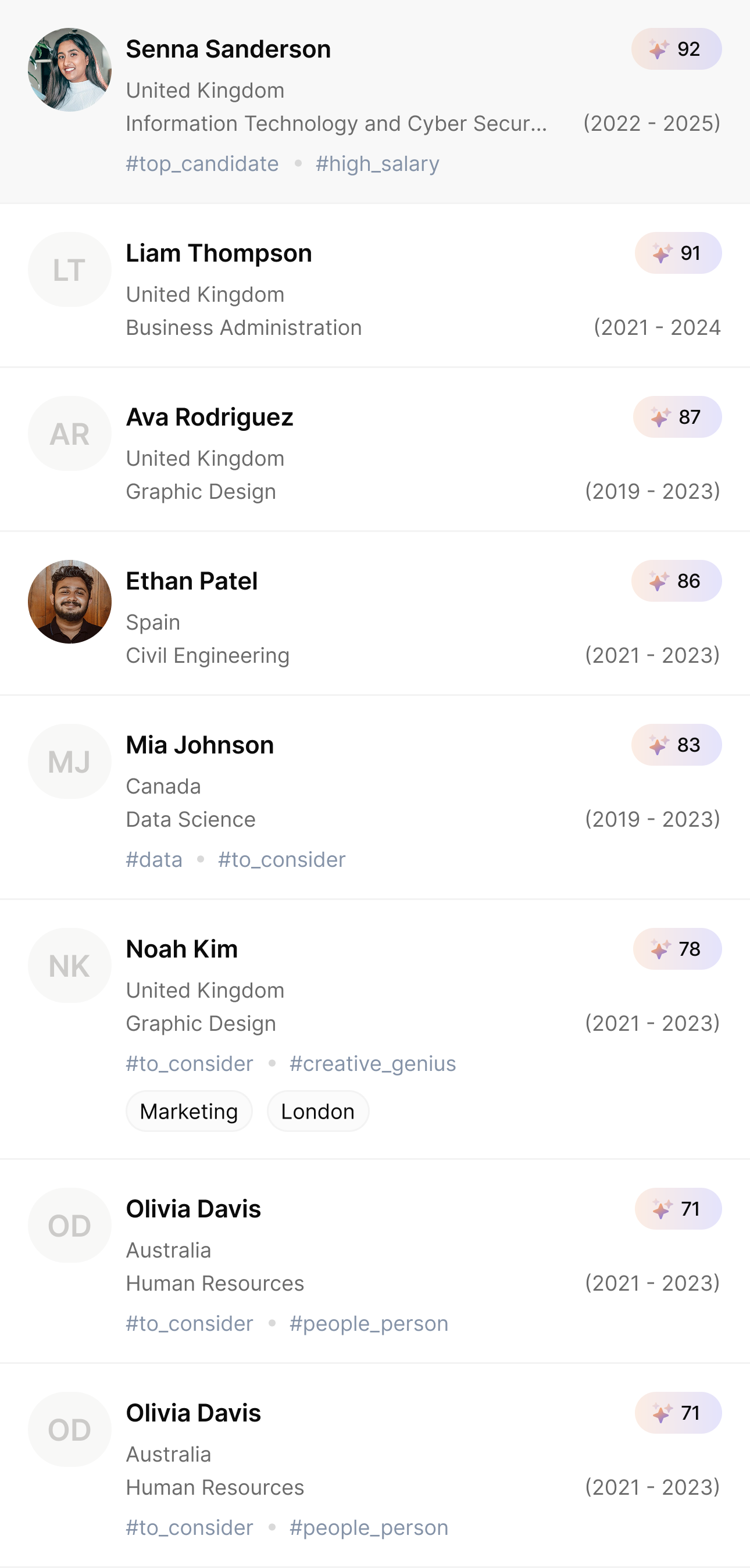
Every application gets a fast, fair read
Every CV is analysed within minutes of arrival, against your specific requirements.
Fair first rounds, at any volume
Real-time voice interviews, available across all timezones, with adaptive follow-ups and integrity checks.

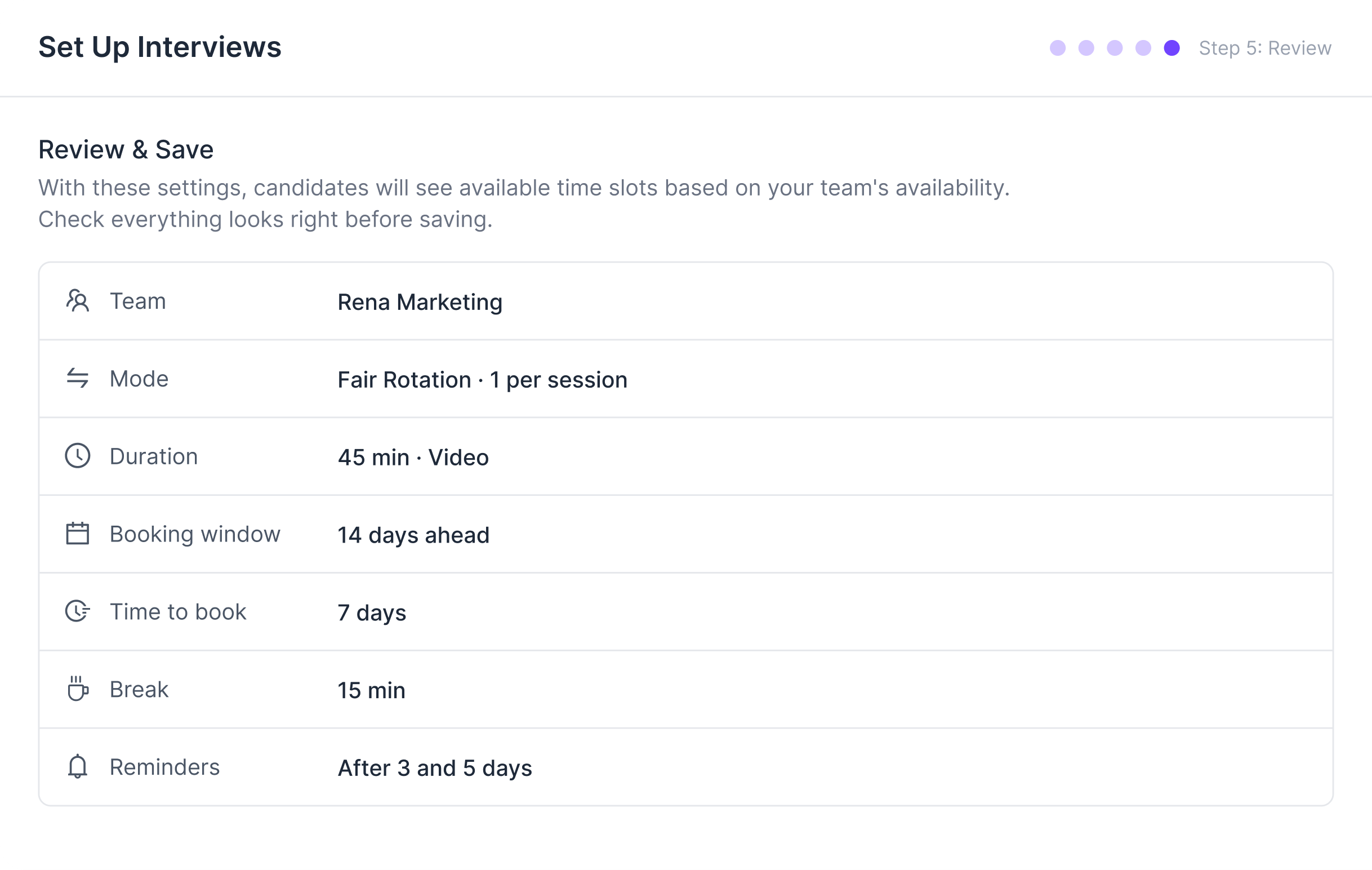
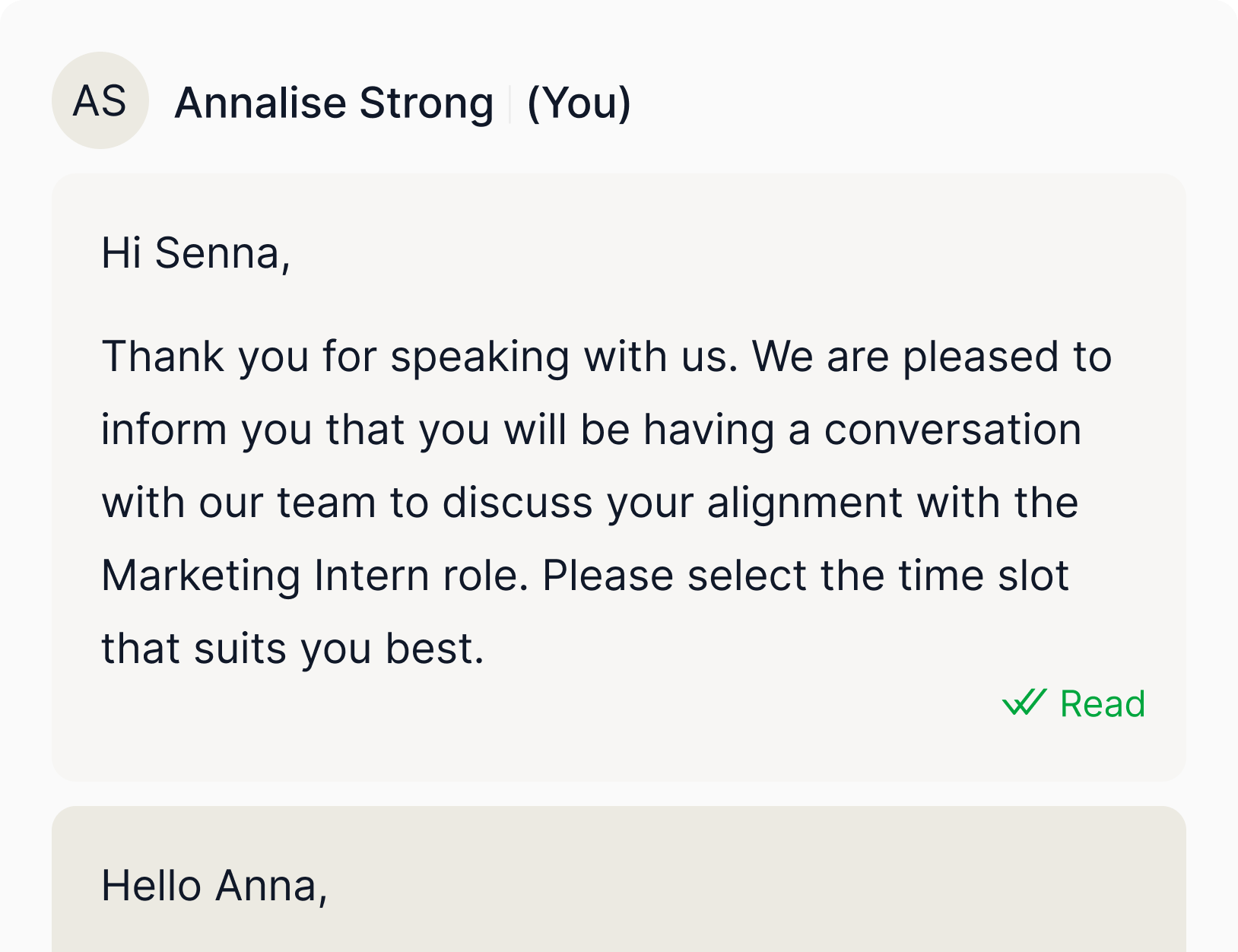
No more scheduling back-and-forth
Your team connects their calendar, and candidates book their own interview based on availability.
The admin clears itself
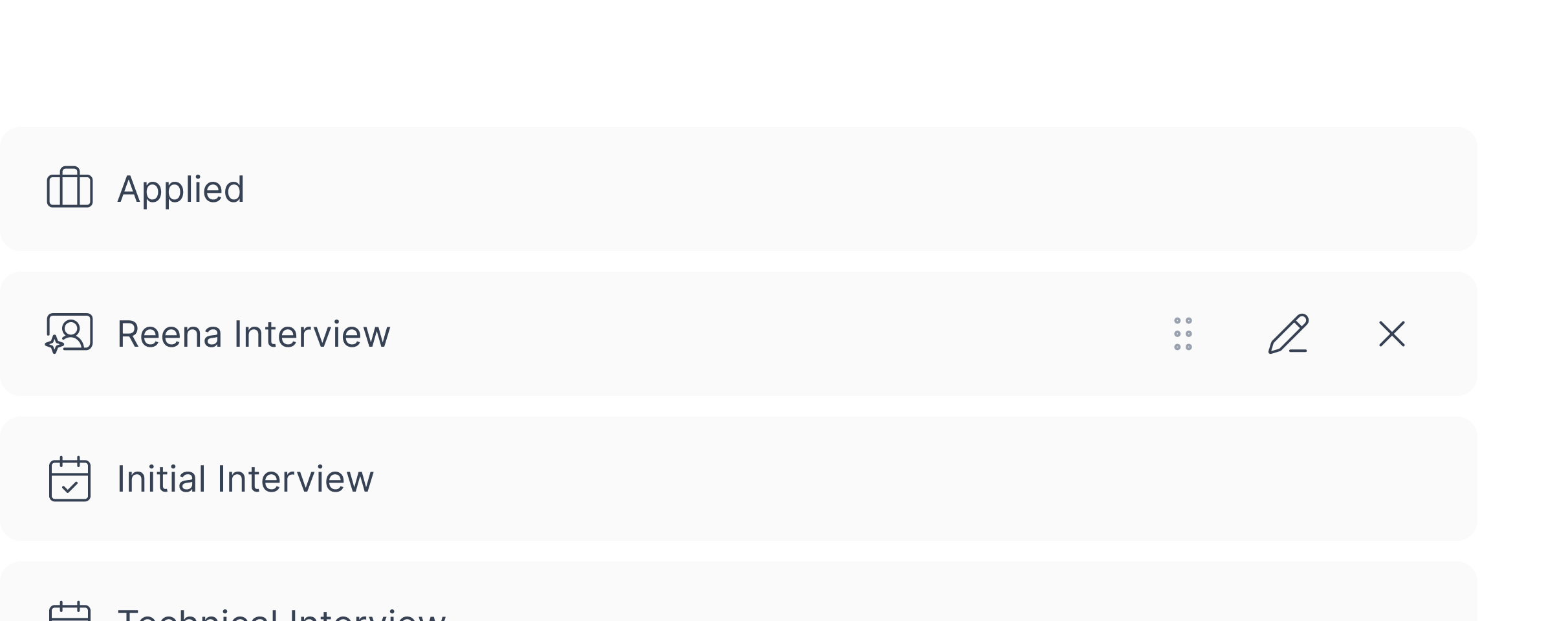
Bulk actions move hundreds of candidates at once, and automation checks complete your set preferences.
Speed and scale from the AI. Judgement from your team.
Nothing about moving faster or handling more removes judgement. That is a design rule, not a promise.
You set the rules
Every requirement, threshold and knockout rule is one your team wrote, and Reena runs on them at any speed and any volume.
Every decision is shown
Each recommendation and each automated step arrives with the reasoning behind it, logged where your team can see it.
You make the call
Recruiters review, adjust and decide. Any call Reena makes, your team can override.
What faster at scale looks like on real hiring.
Measured on client hiring, not benchmarks.